
Treatment planning for advanced
prostate cancer
This photo does not represent an actual patient and care partner.
You play a crucial role in treatment decisions
Whether it’s managing appointments, tracking medications, or adjusting your work schedule, the path your loved one takes will likely shape your daily routines, emotional bandwidth, and long-term plans. That’s why your voice and well-being deserve to be part of every conversation—not just in support of their care, but as an essential part of it.
Consider the demands care partners often face:
per week care partners dedicate to supporting a loved one with prostate cancer1
1/2 of these care partners work another job 35 hours per week2
Bringing your perspective into the treatment conversation helps ensure your needs are recognized and supported, too.
There are other specifics to take into consideration when creating a treatment plan:
- The goals of treatment for your loved one. You know your loved one best—talk to him about how he feels and what he is looking for out of treatment, such as specific symptom management or better quality of life
- Age, performance status (how fit your loved one is to receive treatment), and spread of disease, which will all be assessed by his doctor
- Which treatments your loved one has previously taken. Be prepared to discuss any side effects he may have experienced in the past with his doctor
Generally speaking, care partners should know the following information about their loved one's treatment:
- Name of the treatment
- What the treatment category is (hormone therapy vs chemotherapy vs radiation therapy)
- How long the patient will receive this treatment
- How the treatment is designed to work: systemically (throughout the body) or focally (in one area of the body)
- What the most common side effects of this treatment are
- What I (the care partner) will have to do to support the patient at home



Work with your loved one and his doctors to create a care plan that works for everyone
Feeling confident in your loved one’s medical team can make a big difference in how you navigate prostate cancer together. When creating a treatment plan, it’s important to consider all the factors—treatment type, side effects, your loved one’s goals, and your role as a care partner. If you ever feel rushed or unclear about next steps, don’t hesitate to ask questions or seek a second opinion. The right treatment path can look very different depending on each individual—so take the time to make an informed decision, together.

Consider future goals your loved one has such as starting a family, as this impacts treatment choice. Treatments chosen now can have major impacts on your loved one's future.
“If you’re going to walk this journey, you’ve got to be ready to ask questions—and I had a whole notebook full.”
—Susan*, care partner
*Name changed for care partner privacy.

Consider physical, psychological, and practical impacts of treatment
Side effects can be numerous with advanced prostate cancer treatment and physical side effects such as fatigue, hot flashes, bone pain, sexual health issues, and weight loss may occur. Have honest conversations with your loved one’s doctors about the severity of side effects and what they may look like with different treatments, as that may influence the treatment plan you both decide on.
Be prepared to deal with psychological side effects as well. Changes such as depression, anxiety, hopelessness, and social isolation may occur. It’s important to encourage your loved one to share his feelings and talk to a therapist if he needs help managing his emotions.
Practical factors, such as costs of care, family involvement, and burden on you as a care partner, should also be considered.
Don’t be afraid to get second opinions if you feel the impacts of the suggested treatments will be too much of a burden for your loved one and you. The treatment plan you decide on should work for you both

Doctor Discussion Guide
Be prepared for treatment conversations. This guide offers key questions to ask about localized or advanced prostate cancer treatment options.

Treatment scheduling
It is critical to consider the logistics of treatment before settling on a treatment plan, as being a care partner can be very time consuming. For ease of organizing appointments, consider utilizing a digital or paper calendar. If you find it cumbersome to keep your loved one's medical records in one spot, it may help to ask for assistance from his healthcare team.
Travel
- Decide if you can travel with your loved one for treatment or prefer home-based care, and discuss this with their doctor
- If you need travel assistance, resources such as Mercy Medical Angels offers free medical transportation
- National organizations and support groups dedicated to prostate cancer care may also offer assistance
Home responsibilities
- Keep a running to-do list for extra household tasks you may need to take on, such as:
- Grocery shopping
- Meal prepping
- Running errands
- Managing appointments
- Caring for pets
- Lean on family, friends, and services for tasks such as grocery delivery or pet care
Medication management
- Daily medications can be overwhelming to keep up with. Your loved one's doctors can help you make it easier, so ask about:
- Simplified regimens
- Long-acting injectable treatments
- Options that fit your routine
- Organizing medications with a pill box or treatment checklist can make managing treatment easier
See our Treatment Checklist Download below.


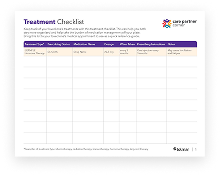
Treatment Checklist
Keep track of your loved one’s treatments with the treatment checklist—a resource you can use to record different treatments, who prescribed them, when they are taken, if they need to be taken with food, and more. This can help you both stay more organized and help take the burden of medication management off your plate. Bring this list to your loved one's medical appointments.

Financial planning
Financial planning is critical during an advanced prostate cancer journey. Managing finances can be extremely overwhelming, so you should consider working with social workers or financial counselors who can help you determine how to best plan for the next steps.
Ways to get financial planning assistance during treatment
- Different programs including
CancerCare,
Patient Advocate Foundation,
Medicare,
and Medicaid, and as well as the savings
programs of pharmaceutical companies can help with treatment costs - Cash and counseling programs allow you to receive compensation for being a care partner. Contact your local Medicaid office, social services, or health department to find out if you are eligible in your state
- The Veterans Administration has programs for care partners to help with costs
- Triage Cancer is a great resource for care partners and has information about legal and practical matters such as time off work, and managing finances and medical bills
- Financial Planning for Cancer and
Giving Docs specifically help those with cancer and their loved ones navigate
specifics of financial planning, will planning, power of attorney, and more
- Financial Planning for Cancer was created by Family Reach, the Foundation for Financial Planning (FFP), and the Financial Planning Association (FPA), and pairs cancer patients and their families with pro bono financial planners to help manage cancer-related expenses during treatment
- Giving Docs partners with the American Cancer Society to
offer a full suite of estate planning tools for cancer patients and their families, available in all 50 states


Important documents you might need
Most organizations have a social worker on hand who can help you complete necessary paperwork and answer any additional
questions. Below is a summary of the documents more commonly needed for patients and care partners to have on file:
| Document | Purpose / Why It’s Necessary | Recommended Timing |
|---|---|---|
| Advance Health Care Directive | Names a healthcare decision-maker and documents the patient’s treatment preferences (i.e. full code/resuscitation, mechanical ventilation, feeding tube) | Early in illness |
| HIPAA Authorization | Allows providers to share health information with the caregiver and signed copies to be shared with all treating physicians and facilities | Early in illness |
| Durable Power of Attorney (DPOA) | Enables caregiver to manage financial and legal affairs during incapacity, submits copies to financial institutions, mortgage companies, etc. | Early in illness |
| Physician Orders for Life-Sustaining Treatment (POLST) (if appropriate) |
Medical order that outlines specific treatment preferences (i.e. DNR, no intubation, comfort measures only); can be posted visibly for Emergency Medical Services (EMS) access | Late treatment / End of life |
| Document | Advance Health Care Directive |
|---|---|
| Purpose / Why It’s Necessary |
Names a healthcare decision-maker and documents the patient’s treatment
preferences (i.e. full code/resuscitation, mechanical ventilation, feeding tube) |
| Recommended Timing | Early in illness |
| Document | HIPAA Authorization |
|---|---|
| Purpose / Why It’s Necessary | Allows providers to share health information with the caregiver and signed copies to be shared with all treating physicians and facilities |
| Recommended Timing | Early in illness |
| Document | Durable Power of Attorney (DPOA) |
|---|---|
| Purpose / Why It’s Necessary | Enables caregiver to manage financial and legal affairs during incapacity, submits copies to financial institutions, mortgage companies, etc. |
| Recommended Timing | Early in illness |
| Document | Physician Orders for Life-Sustaining Treatment (POLST) (if appropriate) |
|---|---|
| Purpose / Why It’s Necessary | Medical order that outlines specific treatment preferences (i.e. DNR, no intubation, comfort measures only); can be posted visibly for Emergency Medical Services (EMS) access |
| Recommended Timing | Late treatment / End of life |

Pro Tip for Care Partners
Keep Originals & Distribute Copies
- Store originals in a secure but accessible place (e.g., fireproof box)
- Provide copies to key providers, family members, and the appointed proxy
Bring Documents to Medical Appointments
- Especially Advanced Healthcare Directive and Power of Attorney forms for hospital or emergency care purposes
Review Every 6–12 Months
- Remember to update after any changes in your loved one's health condition or treatment goals


Preparing for other changes during advanced prostate cancer
There may be a point where you feel you need to become your loved one’s full-time care partner. If you feel you are at this place in the journey, know that you have options. If you are working and need to quit your job or reduce hours, speak to your employer about options you may have. You may also look into having close family or friends help you care for your loved one or hire someone who can assist you.
- Reena Cherry, MS, PA-C, Principal Consultant of Resilient Caregivers
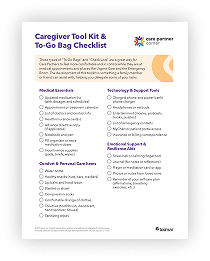
Care Partner Toolkit Checklist
Feel more prepared at doctor's appointments and urgent care centers with the help of the Care Partner Toolkit Checklist